MT. GILUWE ECO TOURISM SERVICES
Experiences
Come be part of our community, enjoy the sunrise, the sunsets, the fresh food, amazing flora and fona of the Highlands region of Papua New Guinea. Here we take your from Western Highlands, Jiwaka to Simbu (Chimbu) to Eastern Highlands Provinces.
The Amazing Highlands
Experience Mt. Giluwe through guided treks, cultural tours, and nature walks.
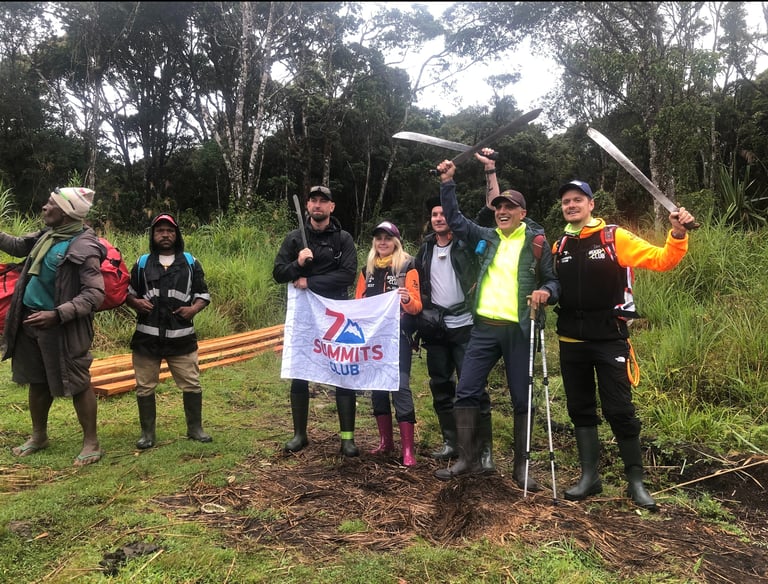
Guided Treks
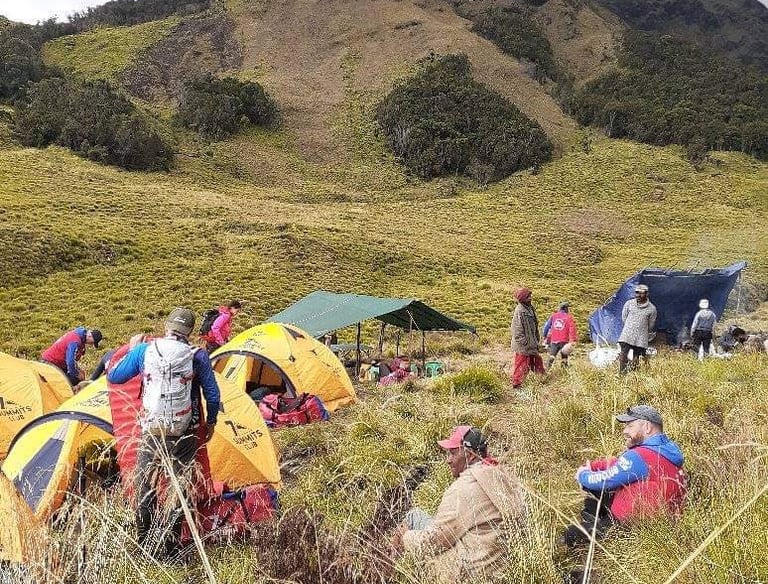
Join expert guides on scenic routes up PNG’s second-highest peak.
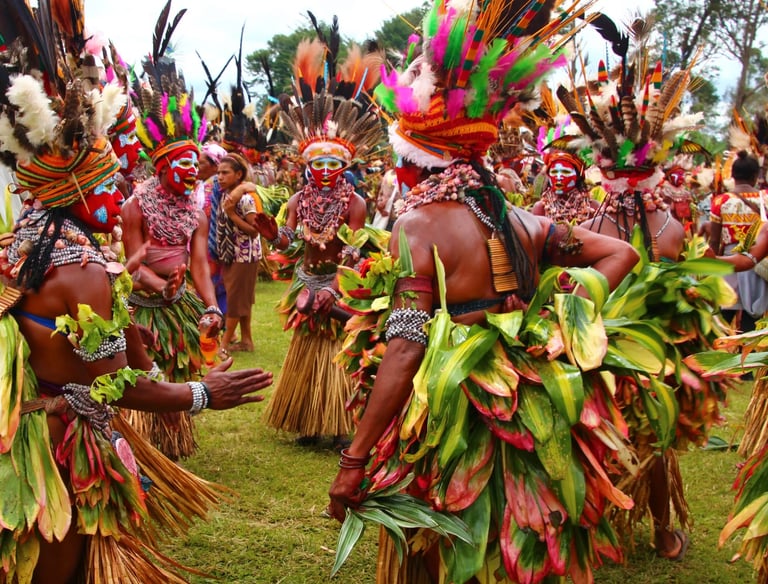
Cultural Tours
Immerse yourself in authentic highlands traditions and community life.
Explore diverse ecosystems on peaceful nature walks guided by locals.
Nature Walks
Tour Sites and Activities
Mt Giluwe and Mt Wilhelm are iconic highland peaks discovered by early European explorers and long revered by local clans; the Mindima Skeleton Tribes and Asaro Mudmen showcase unique cultural performances; Kumul Bird Watch offers world-class Birds-of-Paradise viewing; and Leahy’s Coffee Plantation highlights early Highland agricultural pioneers.
Mt. Giluwe
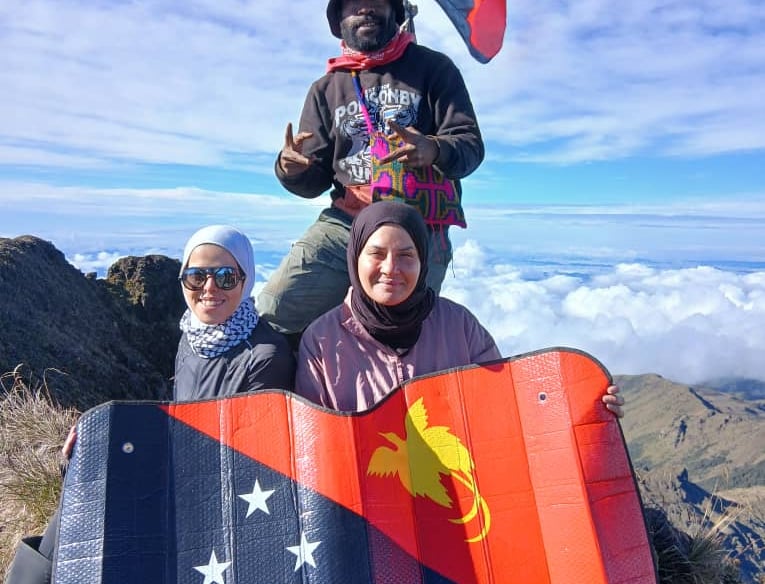
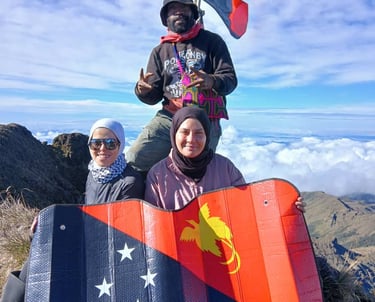
Mt Giluwe, Papua New Guinea’s second-highest peak, is an ancient shield volcano rising above the Western Highlands. First recorded by Europeans in the late 1800s, it was mapped by early Australian patrols in the early 1900s. Local Melpa-speaking clans long revered it, using surrounding valleys for hunting, gardening, and cultural rituals.

Mt. Wilhelm
Mt Wilhelm, Papua New Guinea’s highest peak at 4,509m, lies in the Bismarck Range where Simbu, Madang, and Western Highlands provinces meet. First contacted by German explorers in the late 1800s and later surveyed by Australian patrols, it has long been significant to Gende and Chimbu communities for ritual, hunting, and clan identity.
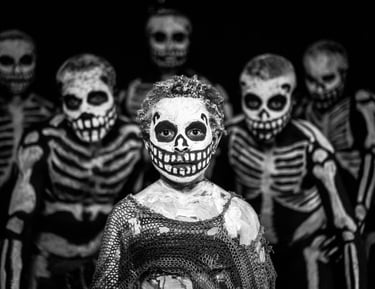
The Mindima Skeleton Tribes of Simbu Province are renowned for their dramatic “skeleton” body-painting, inspired by ancestral spirits believed to protect the clan. First observed by early Australian patrols in the 1930s, their striking white-clay designs remain a powerful cultural performance showcasing Mindima identity, legends, and warrior traditions.
Mindima Skeleton Tribe
Asaro Mudmen
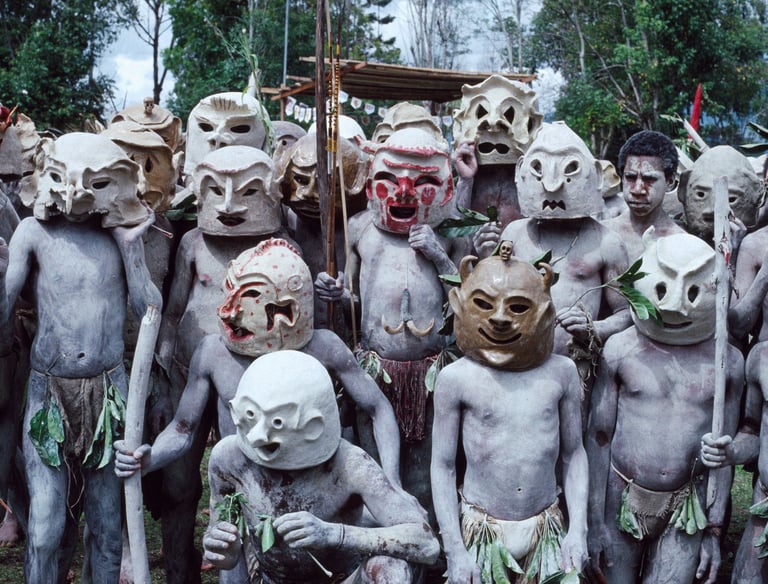
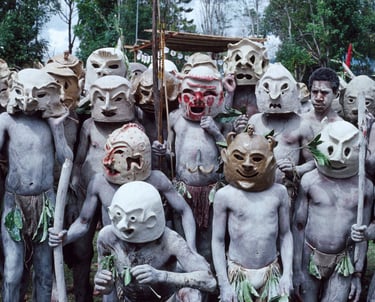
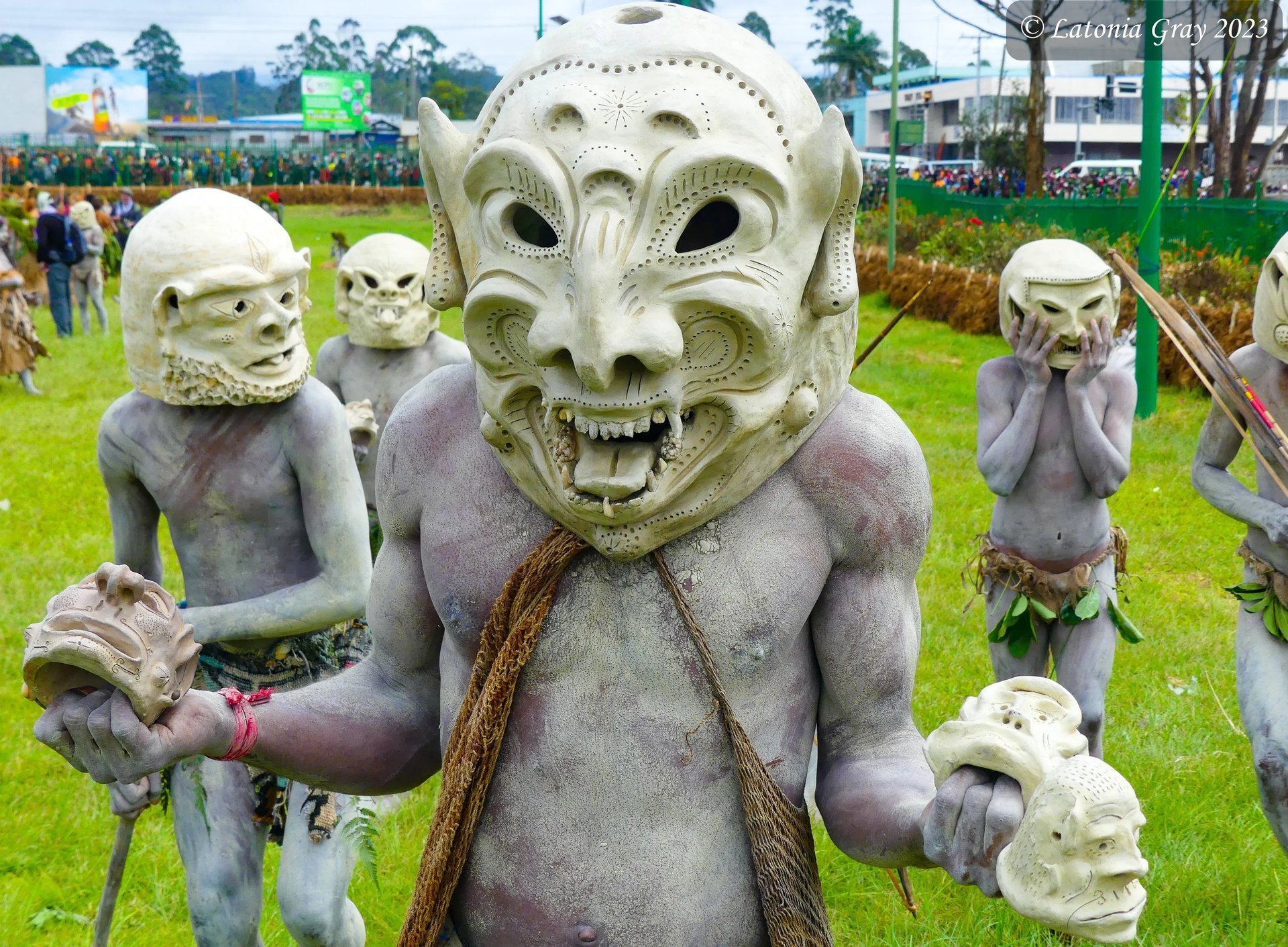
The Asaro Mudmen of Eastern Highlands are famous for their eerie clay masks and mud-covered bodies, inspired by a legendary escape from enemy tribes. First documented by Australian patrols in the 1950s, their ghost-like appearance symbolizes cunning and survival, and today remains one of PNG’s most iconic cultural performances.
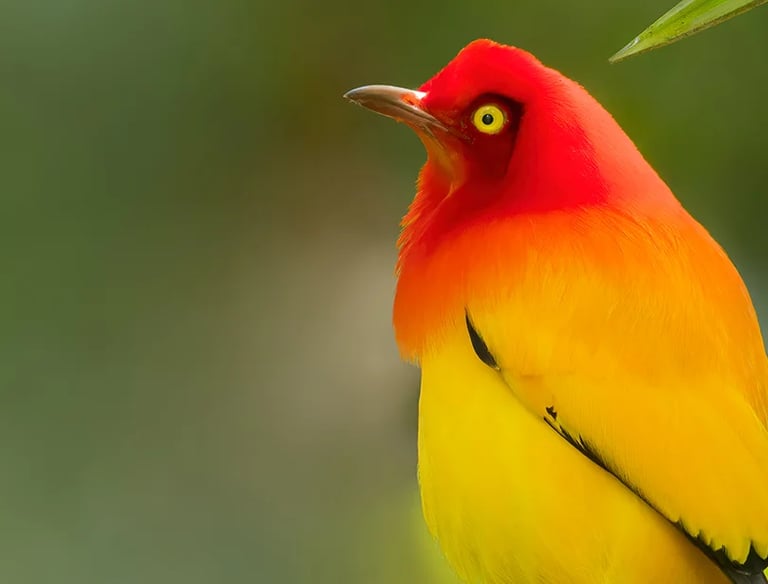
Kumul Bird Watching
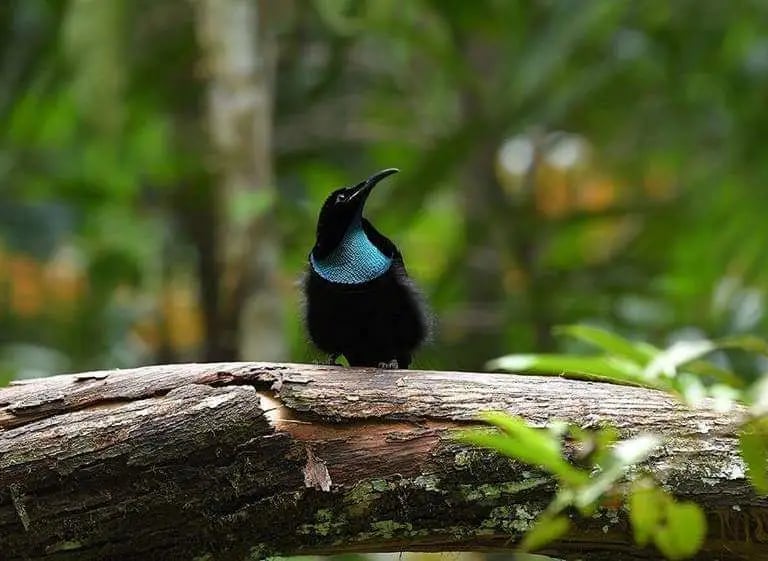
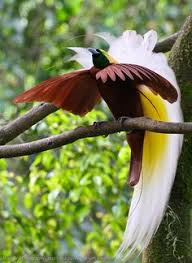
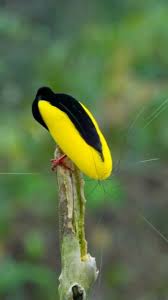
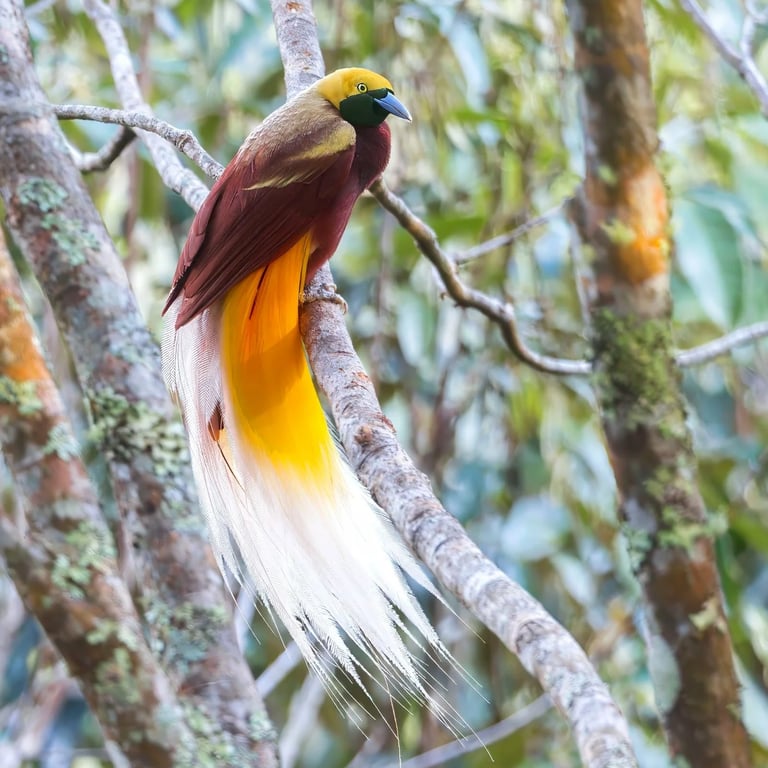
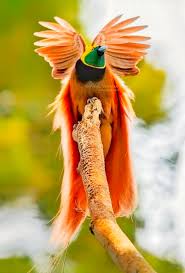
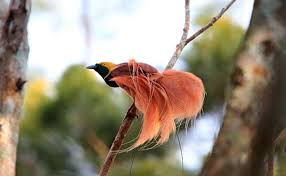
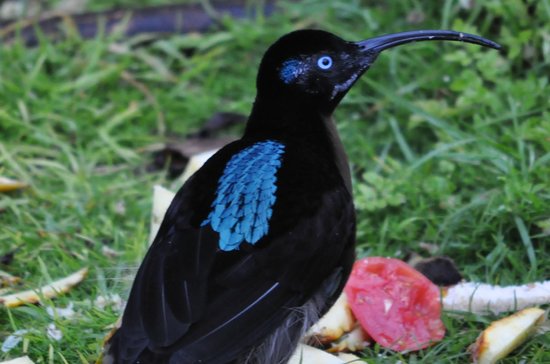
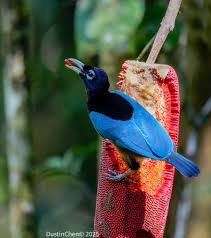
Kumul Bird Watch, based at Kumul Lodge in the Western Highlands, is one of PNG’s top birding hotspots. Established by local conservationists, it is famous for its close-up viewing of Birds-of-Paradise and other high-altitude species. Early birding groups in the 1990s helped place it on the international eco-tourism map.
Leahy’s Coffee Plantation, founded by the pioneering Leahy family in the Western Highlands, is one of PNG’s earliest large-scale coffee estates. Building on the Leahys’ historic early-1900s exploration roots, the plantation helped develop Highland agriculture, employing local communities and producing premium Arabica that contributed to PNG’s global coffee reputation.
Leahy's Coffee Plantation
The 7 Culture
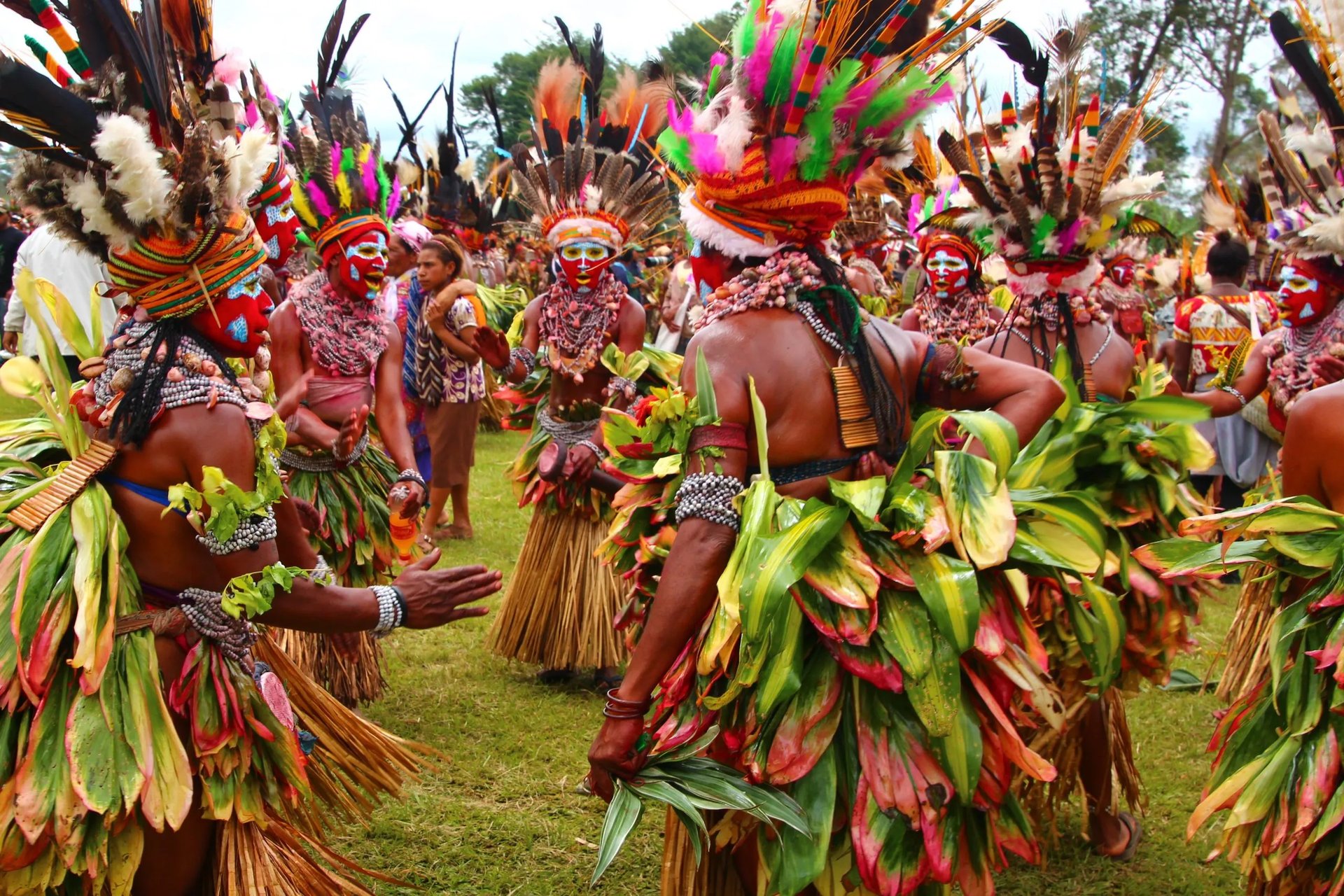
Highlands traditional dancers wear colorful body paint, grass skirts, feathered headdresses, and ornaments, performing cultural dances across PNG provinces.
Hela
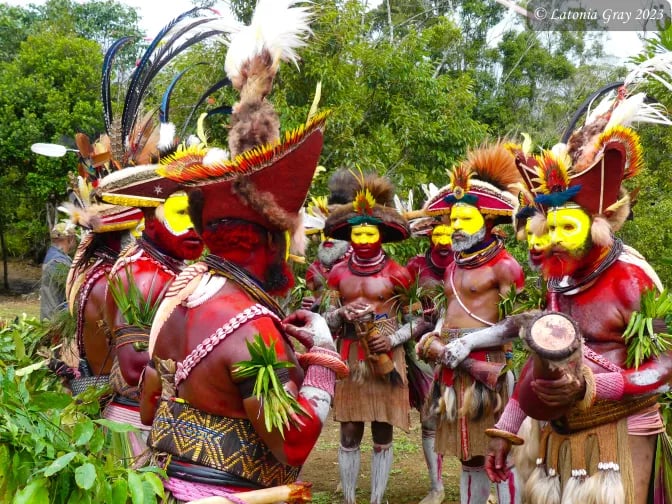
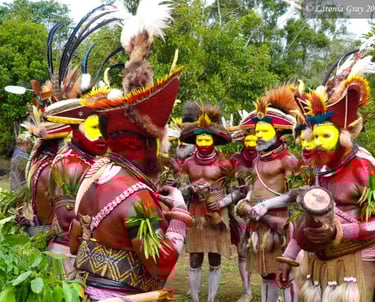
In Hela Province, dancers wear elaborate headdresses crafted from bird-of-paradise feathers, shells, and fur, complemented by arm and leg bands, grass skirts, and traditional necklaces. Their bodies are often painted in clay or charcoal, and these outfits are used during sing-sing dances, initiation ceremonies, and war performances.
Western Highlands
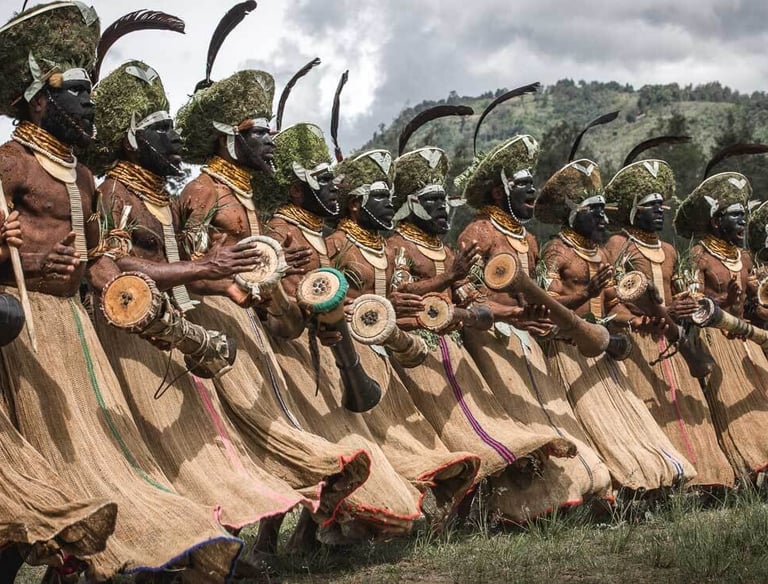
In the Western Highlands, dancers typically wear grass or bark skirts and use body paint in red, white, and black patterns to display clan symbols. Feathered headdresses, pig tusks, and carved wooden ornaments accompany the costumes, which are featured in sing-sings, festivals, and welcoming ceremonies.
Enga
In Enga Province, dancers wear red or white clay body paint along with grass or leaf skirts. Feathered headdresses, shell necklaces, bone ornaments, and wooden carvings complement the attire, which is traditionally used for ceremonial dances, sing-sings, and storytelling performances.
Southern Highlands
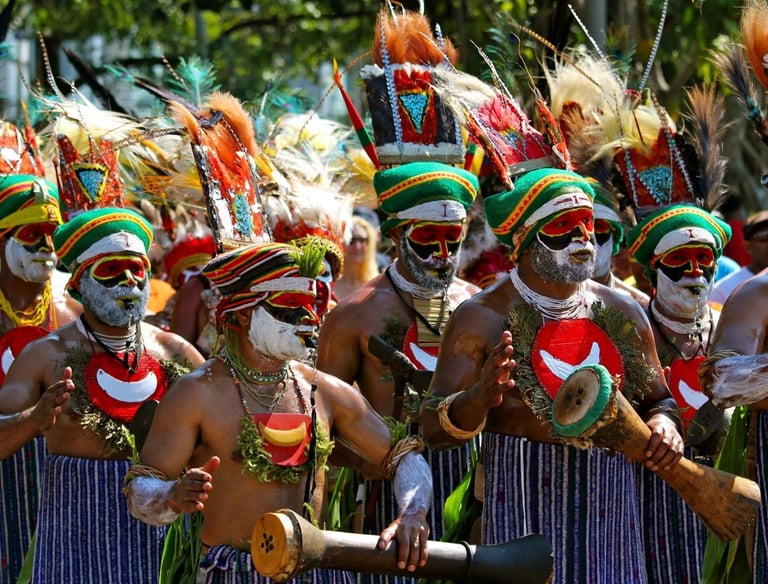
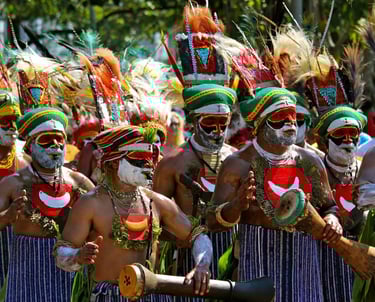
In the Southern Highlands, men and women wear leaf or grass skirts, and their bodies are decorated with red clay or white lime. Feathered headgear, bamboo flutes, drums, and ornaments made from bones or shells complete the attire, which is traditionally worn during harvest celebrations, initiations, or tribal gatherings.
Jiwaka
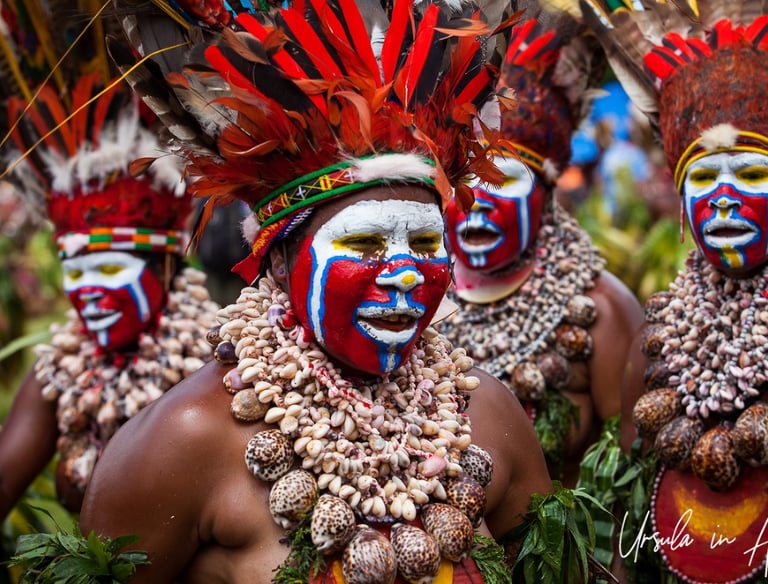
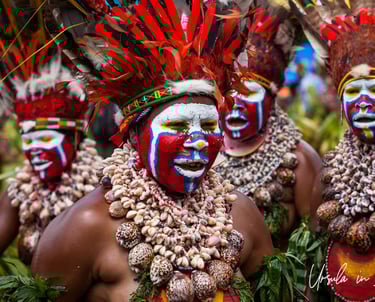
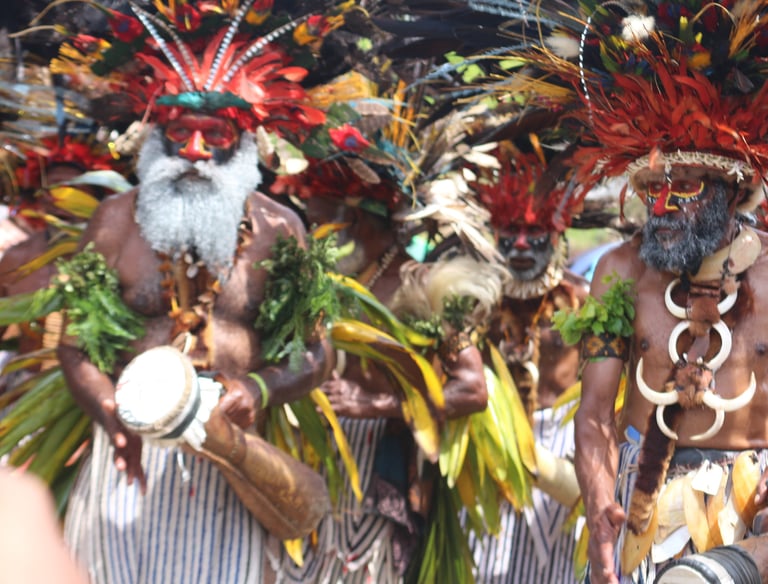
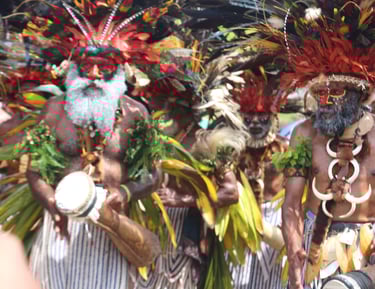
In Jiwaka Province, traditional attire is similar to that of Simbu. Dancers wear colorful body paint, grass skirts, and elaborate headpieces made from feathers or animal fur. Carved masks, wooden ornaments, and traditional necklaces are commonly worn, especially during cultural performances, warrior dances, and initiation rites.
In Simbu (Chimbu) Province, dancers wear colorful body paint along with grass skirts and elaborate headpieces made of feathers or animal fur. Carved masks, wooden ornaments, and traditional necklaces are commonly worn, especially during warrior dances, tribal celebrations, and initiation rites.
Simbu (Chimbu)
Eastern Highlands
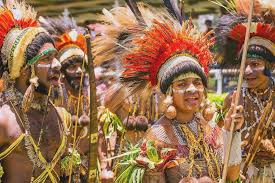
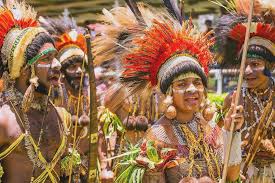
In the Eastern Highlands, including the Asaro Mudmen, performers coat their bodies in clay or mud and wear grass skirts. Clay masks and headdresses with feathers are added for dramatic effect, and these outfits are used in sing-sings, spiritual dances, and cultural festivals.
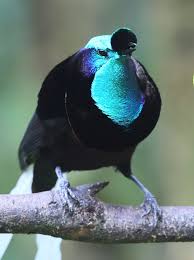
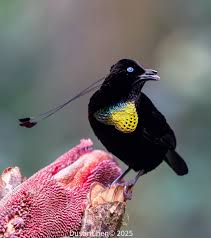
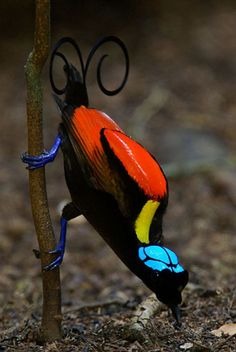
700 Species of Birds
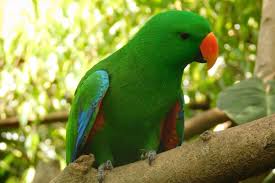
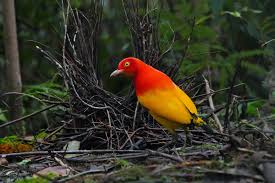
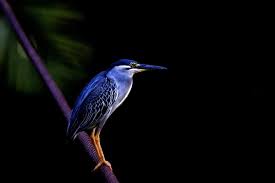
The Highlands of Papua New Guinea are a birdwatcher’s paradise, hosting over 700 species, including the iconic Birds-of-Paradise, honeyeaters, bowerbirds, and parrots. Key birding spots like Kumul Lodge offer close encounters with endemic and rare species. Birding tours combine trekking, photography, and cultural experiences, attracting international eco-tourists.
Mt. Giluwe Tourism Services
Reach out for bookings or questions
Phone
info@mtgiluwetours.com
+675 7234 5678 | +675 7105 2809
Mt. Giluwe Tourism Services© 2025. All rights reserved. | Powered by Solitec ICT Ltd




Address
Mt. Giluwe Ecom Tourism Services, P.O. Box, Tambul, Western Highlands Province, Papua New Guinea


edtama@gmail.com
giluweecotourism@gmail.com